Gambling and its cultural significance Exploring the roots and rituals
The Historical Context of Gambling
Gambling has roots that stretch deep into human history, dating back thousands of years. Evidence suggests that ancient civilizations, such as the Greeks and Romans, engaged in various forms of gambling, often as a means of entertainment and social interaction. This cultural pastime was not merely a game of chance but a ritualistic practice often associated with religious beliefs and community gatherings. The artifacts and writings from these periods reflect gambling as a significant aspect of social life, serving both recreational and economic purposes. Many modern players now explore options like pokies payid for their gaming experiences.
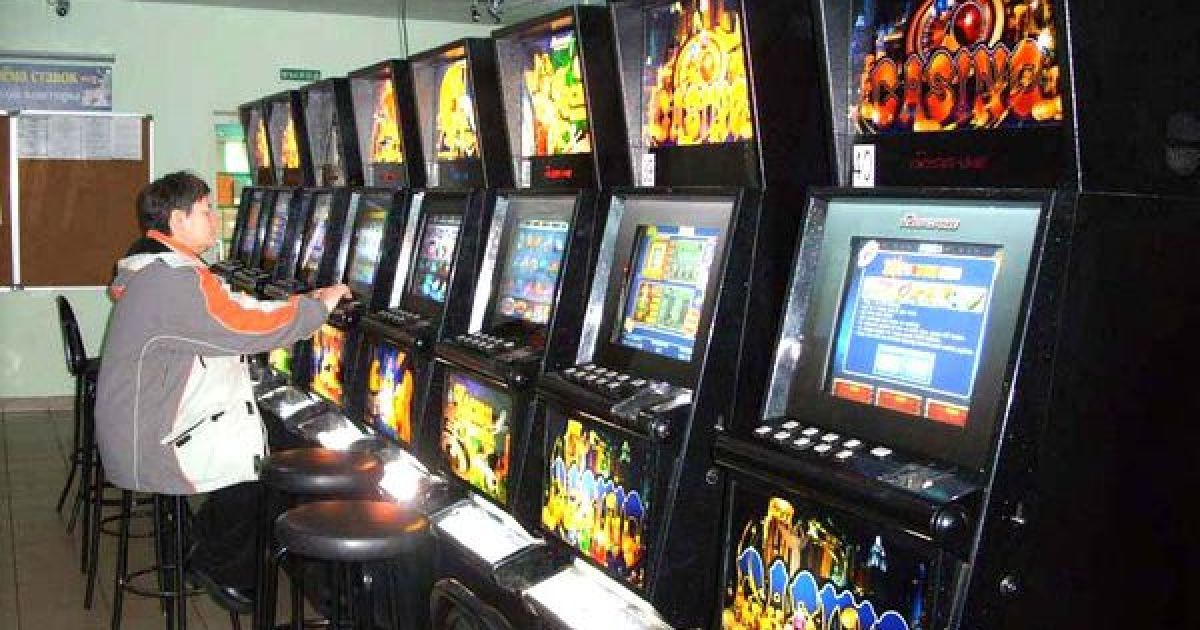
Throughout history, gambling has evolved alongside human culture, adapting to societal norms and technological advancements. For instance, during the Middle Ages, gambling became intertwined with the rise of card games, leading to the development of modern casinos in the 17th century. The establishment of gaming houses in cities like Venice and Paris marked a transition from informal games to more structured forms of gambling, attracting a diverse clientele that included nobility and commoners alike.
As gambling practices spread globally, they often took on local flavors and customs, creating a rich tapestry of gambling traditions. In many cultures, games of chance were not just seen as a form of entertainment but as a way to connect with ancestral spirits or predict the future. This intertwining of gambling with cultural identity underscores its significance in societies around the world, revealing how deeply rooted these practices are in human interaction and community bonding.
The Role of Rituals in Gambling
Rituals play a vital role in gambling cultures worldwide, often adding layers of meaning and significance to the act of wagering. In many indigenous societies, gambling rituals are intertwined with spiritual beliefs and communal activities. These rituals can range from simple ceremonies to elaborate festivals that celebrate the chance of winning and the joy of communal participation. Such rituals often involve prayers, dances, or sacrifices, emphasizing that gambling transcends mere monetary stakes, embedding itself in the social fabric of the community.
In modern gambling settings, rituals continue to manifest in various forms, including superstitions among players and specific practices before placing bets. For example, many gamblers engage in rituals like wearing lucky clothing, using specific betting patterns, or even reciting mantras to invoke good fortune. These practices highlight the psychological aspect of gambling, where belief and emotion can significantly impact a player’s experience and outcomes. The convergence of luck and ritual illustrates how deeply cultural beliefs influence individual behavior in gambling contexts.
Moreover, rituals associated with gambling often serve as a means of creating community and fostering connections among players. Whether through collective gatherings at casinos or organized betting events, these rituals can enhance the social experience, providing participants with a sense of belonging and shared purpose. Such communal aspects of gambling can cultivate friendships, create shared memories, and reinforce cultural ties, showcasing the multifaceted significance of gambling beyond the simple act of wagering.
The Impact of Gambling on Society
The influence of gambling extends well beyond individual players, permeating various aspects of society. Economically, gambling generates significant revenue for governments and local communities through taxation and job creation. In regions where casinos are prevalent, the influx of tourism can boost local economies, providing employment opportunities and infrastructure development. This economic impact highlights gambling as a double-edged sword; while it can stimulate growth, it can also lead to societal challenges, particularly concerning addiction and responsible gaming.
Socially, gambling can create divides within communities. While many enjoy recreational gambling as a harmless pastime, others may face detrimental effects, particularly those struggling with addiction. This dual nature of gambling necessitates a delicate balance between promoting the economic benefits and addressing the potential risks associated with gambling addiction. Awareness campaigns and support systems are essential in fostering responsible gambling practices to mitigate the negative impact on vulnerable individuals and families.
Furthermore, the portrayal of gambling in media and popular culture also shapes societal perceptions. Movies, television shows, and literature often romanticize gambling, depicting it as an exhilarating escape or a path to riches. This glamorization can contribute to the normalization of gambling behaviors, influencing individuals’ attitudes towards risk-taking and their understanding of the potential consequences. As such, the cultural narratives surrounding gambling continue to evolve, shaping societal norms and attitudes in complex ways.
Addiction Awareness and Support Systems
With the prevalence of gambling in contemporary society, addiction awareness has become increasingly crucial. Gambling addiction, often referred to as a hidden addiction, can have severe consequences for individuals and their families. Recognizing the signs of problem gambling is essential for early intervention and support. Common indicators include preoccupation with gambling, chasing losses, and neglecting personal responsibilities. Raising awareness about these signs can help individuals seek help before the situation escalates.
Various support systems are available for those struggling with gambling addiction, offering resources for recovery and rehabilitation. Organizations such as Gamblers Anonymous provide peer support and counseling services, while helplines offer immediate assistance to those in crisis. Education plays a vital role in prevention; community outreach programs can inform individuals about the risks of gambling and the importance of responsible gaming practices. Such initiatives aim to create a healthier gambling environment and reduce the stigma associated with seeking help.
Ultimately, addressing gambling addiction requires a collaborative effort from individuals, families, communities, and policymakers. By fostering open dialogues about gambling and its potential risks, society can work towards creating a safer environment that promotes responsible gambling behavior. This collective responsibility not only aids those affected by addiction but also cultivates a more informed and supportive community that acknowledges the complexities of gambling culture.
Your Guide to Responsible Gaming
As we delve deeper into the world of gambling, understanding its cultural significance and the associated challenges is essential. This website serves as a comprehensive resource for individuals seeking to explore the various aspects of gambling, from its historical roots to the complexities of addiction awareness. By providing information on responsible gaming practices, we aim to empower users to make informed decisions while engaging in gambling activities.
Our platform offers insights into different forms of gambling, ranging from traditional games to modern online platforms, ensuring that users have access to a wide range of information. Whether you’re interested in understanding the rituals associated with gambling or seeking resources for addiction support, we strive to present a balanced view that emphasizes both the cultural significance and the importance of responsible gaming. Our expert evaluations and guides ensure that users can navigate the world of gambling safely and enjoyably.
By embracing the cultural richness of gambling while remaining vigilant about its potential risks, we can foster a responsible gaming community that prioritizes health and well-being. Join us as we explore the captivating world of gambling, understanding its roots, rituals, and the critical importance of awareness and support in today’s society.